For small business owners, every marketing dollar matters. Unlike large corporations with extensive advertising budgets, small businesses often operate with limited resources, making every investment a strategic decision. Choosing the wrong marketing channel can quickly drain a budget without producing meaningful results, while investing in the right mix of channels can generate consistent leads, loyal customers, and sustainable business growth.
The challenge isn’t simply finding new ways to market, but identifying which channels deliver measurable returns. With countless options available, from search engine optimization (SEO) and pay-per-click advertising (PPC) to email marketing, social media, referrals, and content marketing, it’s easy to become overwhelmed. Many business owners spread their budgets too thin across multiple platforms without understanding which ones are actually contributing to revenue.
This is where return on investment (ROI) becomes the most important metric in your marketing strategy. Rather than focusing solely on clicks, impressions, or follower counts, ROI measures how effectively your marketing efforts translate into real business outcomes, including qualified leads, sales, customer retention, and long-term profitability.
The highest-performing marketing channels aren’t necessarily the newest or trendiest. Instead, they’re the ones that consistently attract your ideal customers, support your sales process, and provide measurable results over time. In many cases, businesses achieve the best ROI by combining several complementary channels instead of relying on a single tactic.
Key Takeaways
- Marketing ROI measures how much revenue your marketing generates compared to what you spend.
- The highest ROI channel varies depending on your industry, audience, customer journey, and business goals.
- SEO often delivers one of the strongest long-term returns because organic traffic compounds over time.
- Email marketing remains one of the most cost-effective channels for nurturing leads and increasing repeat business.
- Paid advertising can generate fast results when campaigns are carefully managed and optimized.
- Referral and customer retention programs frequently outperform customer acquisition efforts in overall profitability.
- Content marketing builds trust, authority, and organic visibility that continue producing results for years.
- Tracking data and performance metrics is essential for improving marketing efficiency and making smarter budgeting decisions.
- Combining multiple marketing channels usually produces better long-term ROI than relying on a single platform.
- Consistent measurement, optimization, and strategic planning are the keys to maximizing marketing investments.
Understanding Marketing ROI

Before comparing marketing channels, it’s important to understand what ROI actually means. Marketing ROI measures the financial return generated from your marketing investments. While revenue is the primary measure, smart businesses also evaluate:
- Cost per lead
- Cost per acquisition
- Customer lifetime value
- Conversion rates
- Average order value
- Customer retention
- Repeat purchases
- Profit margins
Looking beyond vanity metrics helps ensure marketing efforts contribute to meaningful business growth rather than simply generating website traffic or social engagement.
What Makes A Marketing Channel Deliver High ROI?
Not every marketing channel performs equally for every business. Several factors influence whether a channel becomes profitable.
Audience Alignment
Before selecting any digital marketing strategy, businesses should first identify where their ideal customers spend their time online and how they search for products or services. Every audience has unique online behaviors, and understanding these habits allows companies to focus their marketing efforts on the channels that are most likely to generate qualified leads, meaningful engagement, and higher conversion rates. Rather than investing in every available platform, businesses achieve better results by prioritizing the ones their target customers already use throughout the buying journey.
- Local Homeowners: Homeowners typically begin their search for contractors and home service providers on Google. They often compare businesses through local search results, Google Business Profiles, customer reviews, and company websites before requesting estimates or scheduling consultations.
- B2B Executives: Business decision-makers generally conduct extensive research before choosing a service provider. They rely on search engines, LinkedIn, industry publications, educational articles, case studies, and professional resources to evaluate expertise, credibility, and potential business solutions.
- Restaurants and Local Businesses: Restaurants, cafés, retail stores, and other location-based businesses benefit from strong local visibility. Customers frequently use Google Search, Google Maps, online directories, and customer review platforms to discover nearby businesses and make quick purchasing decisions.
- E-Commerce Brands: Online retailers often generate the strongest results through visual and shopping-focused platforms such as Instagram, Facebook, Pinterest, and Google Shopping. These channels allow businesses to showcase products, reach targeted audiences, encourage customer engagement, and drive qualified traffic directly to their online stores.
Businesses that understand where customers search for information, compare products or services, and make purchasing decisions are better positioned to invest in the most effective marketing channels. Aligning marketing efforts with customer behavior helps maximize advertising budgets, reach qualified audiences, strengthen customer engagement, and generate a higher return on investment over the long term.
Buyer Intent
Channels that capture people actively looking for solutions generally outperform channels that interrupt consumers. Someone searching “best accountant near me” is much closer to purchasing than someone casually scrolling through social media. This difference in intent significantly affects conversion rates.
Cost Efficiency
High ROI doesn’t necessarily mean low cost. Some channels require significant upfront investment but continue producing leads for years. SEO is a great example. Although it requires ongoing content creation and optimization, many businesses eventually receive thousands of monthly visitors without paying for every click.
Scalability
A high-performing channel should continue delivering results as your business grows. If doubling your budget doubles your qualified leads while maintaining profitability, you’ve found a scalable marketing channel.
Measurable Performance
One of the greatest advantages of high-performing marketing channels is their ability to deliver measurable results. Businesses should be able to clearly identify where their leads are coming from, monitor conversion rates, attribute revenue to specific campaigns, calculate customer acquisition costs, and evaluate overall campaign profitability. Access to accurate performance data allows business owners to make informed decisions, refine their marketing strategies, allocate budgets more effectively, and continuously improve results over time.
The Marketing Channels That Deliver The Best ROI
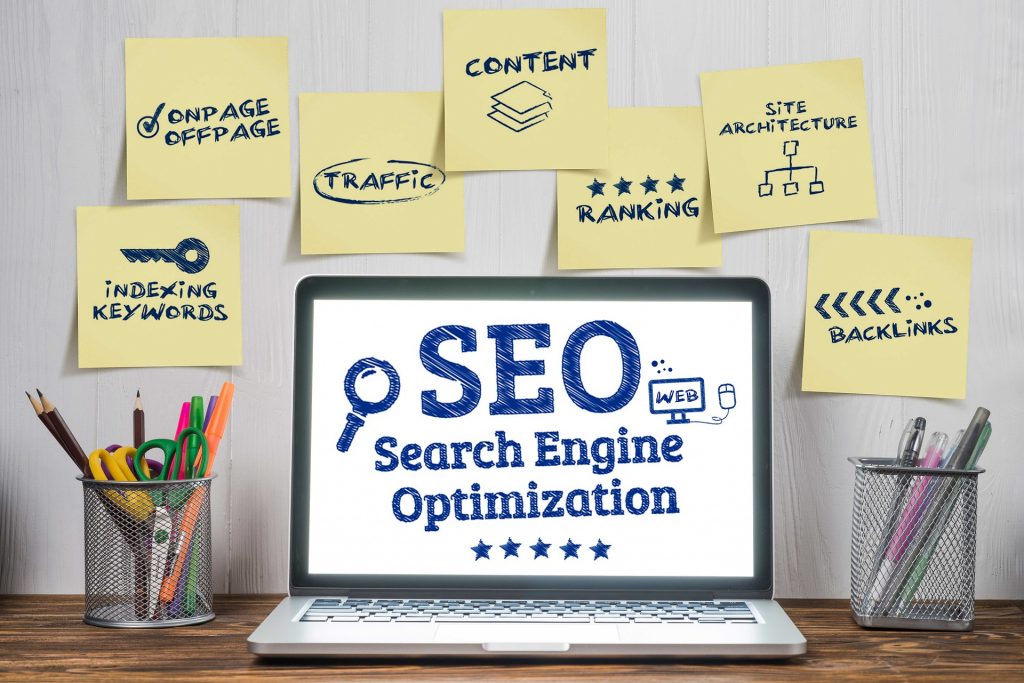
Although every business is different, several channels consistently outperform others across industries. Let’s examine each one.
1. Search Engine Optimization (SEO)
SEO consistently ranks among the highest ROI marketing investments for small businesses. Instead of paying for each visitor, SEO helps your website appear organically when potential customers search for products or services. Because these users already have intent, conversion rates tend to be much higher than interruption-based advertising.
- Why SEO Produces Exceptional ROI: SEO creates long-term assets. Each optimized service page, blog article, FAQ, or local landing page can continue generating traffic for months or even years. Unlike paid ads, traffic doesn’t disappear the moment your advertising budget stops.
- Best SEO businesses: SEO businesses are those that rely on attracting customers who actively search online for their products or services. This includes professional service providers, contractors, medical practices, law firms, financial advisors, home service companies, local retailers, and B2B businesses. For these industries, strong search engine visibility can generate a consistent flow of high-quality leads from people with clear purchasing intent.
- Common SEO Investments: Effective SEO typically involves a combination of strategies that work together to improve your website’s online presence and generate more qualified leads. Common SEO investments include in-depth keyword research to target the right audience, technical optimization to ensure your website performs efficiently, local SEO to improve visibility in location-based searches, and Google Business Profile optimization to strengthen your local presence.
2. Email Marketing
Despite being one of the oldest digital marketing channels, email marketing continues to deliver some of the highest returns on investment of any digital strategy. Its effectiveness comes from the fact that you’re communicating with an audience that already knows and trusts your business. These contacts may have made previous purchases, requested information, downloaded valuable resources, scheduled consultations, or subscribed to your newsletter. Because they have already engaged with your brand, they are considered warm leads, making them far more likely to open your emails, take action, and convert into paying customers than cold prospects with no prior relationship to your business.
- Why Email Marketing Performs So Well: Email marketing performs exceptionally well because it supports every stage of the customer lifecycle, allowing businesses to stay connected with their audience long after the initial interaction. Companies use email to welcome new subscribers, educate prospective customers, promote products and services, announce upcoming events, recover abandoned shopping carts, encourage repeat purchases, request customer reviews, introduce complementary products or services through upselling, and share valuable insights that keep their brand top of mind.
- Automation Improves ROI: Marketing automation helps businesses improve return on investment (ROI) by delivering timely, personalized communication without requiring constant manual effort. Instead of repeatedly performing the same marketing tasks, businesses can automate key customer interactions such as welcome sequences, appointment reminders, follow-up campaigns, birthday offers, renewal notices, educational drip campaigns, and customer onboarding.
3. Content Marketing
Content marketing strengthens nearly every other marketing channel by providing valuable resources that attract, educate, and engage potential customers throughout their buying journey. Instead of focusing on direct sales, businesses create informative content that helps people solve problems, answer common questions, and make confident purchasing decisions. This content can take many forms, including blog articles, buying guides, videos, podcasts, case studies, checklists, whitepapers, infographics, and frequently asked questions (FAQs).
- Why Content Delivers Long-Term ROI: Content marketing delivers long-term ROI because its value continues to grow long after it’s published. Unlike traditional advertising, which stops generating results once the campaign ends, high-quality content remains accessible to potential customers around the clock. A single comprehensive article can rank in Google search results, earn valuable backlinks from other websites, attract social media shares, build trust with your audience, answer common customer questions, and consistently generate qualified leads for years.
- Educational Content Builds Trust: Today’s buyers conduct extensive research before making purchasing decisions. Businesses that provide helpful, transparent, and informative content position themselves as trusted advisors rather than aggressive salespeople.
4. Pay-Per-Click (PPC) Advertising
While SEO is a long-term investment, pay-per-click (PPC) advertising delivers immediate visibility. Businesses can place their ads in front of highly targeted audiences through platforms like Google Ads, Microsoft Ads, Facebook, Instagram, LinkedIn, and other digital advertising networks. Unlike traditional advertising, PPC campaigns allow you to control your budget, target specific audiences, and measure performance in real time.
- Why PPC Can Produce Strong ROI: One of the primary reasons PPC advertising can deliver a strong return on investment (ROI) is its ability to target users based on intent. Unlike traditional advertising that reaches broad audiences regardless of interest, platforms like Google Search Ads display your ads to people who are actively searching for the products or services you offer.
- PPC Works Best Alongside SEO: Many businesses mistakenly view SEO and PPC as competing strategies. In reality, they complement each other. SEO builds long-term organic visibility, while PPC provides immediate exposure for competitive keywords or time-sensitive promotions. F
- Common PPC Mistakes That Hurt ROI: Paid advertising can become expensive if campaigns aren’t managed carefully. Regular monitoring and data analysis are essential for maintaining profitable campaigns.
5. Local SEO and Google Business Profile Optimization
For businesses that serve customers within a specific city or region, Local SEO and Google Business Profile optimization are among the most cost-effective marketing investments available. When potential customers search for services such as “electrician near me,” “family dentist,” “accounting firm nearby,” or “roof repair company,” Google gives greater visibility to businesses with well-optimized profiles, accurate contact information, strong customer reviews, and locally relevant website content.
- Why Local SEO Is So Effective: Local searches often indicate immediate buying intent. A homeowner searching for an emergency plumber is typically ready to hire someone right away rather than simply gathering information. Appearing prominently in local search results allows businesses to connect with customers at exactly the right moment.
- Essential Local SEO Components: A successful local SEO strategy is built on several key elements that work together to improve your online visibility and attract nearby customers. These include an optimized Google Business Profile, consistent business information across online directories, strategic local keyword optimization, authentic customer reviews, location-specific service pages, high-quality local backlinks, and a mobile-friendly website design.
6. Referral Marketing
Few marketing channels outperform referrals in terms of profitability. When satisfied customers recommend your business to friends, family, or colleagues, those referrals often arrive with built-in trust. This reduces the amount of persuasion required during the sales process.
- Why Referrals Generate Excellent ROI: Referral marketing consistently delivers one of the highest returns on investment because it leverages the trust and credibility of satisfied customers. People referred by friends, family members, or colleagues are more likely to trust your business from the start, resulting in higher conversion rates, lower customer acquisition costs, stronger long-term loyalty, greater lifetime value, and faster purchasing decisions.
- How to Encourage More Referrals: Many businesses hope satisfied customers will refer friends, family, or colleagues, but never take the important step of asking. A structured referral strategy can help encourage more word-of-mouth recommendations by making the process simple and rewarding.
7. Customer Reviews and Reputation Management
Before reaching out to a business, most potential customers compare online ratings, read reviews, and evaluate the experiences of past clients to determine whether the company is trustworthy. A strong online reputation can significantly influence purchasing decisions while improving customer trust, click-through rates, local SEO performance, conversion rates, and overall brand credibility.
- Why Reputation Has a High ROI: Positive reviews continue generating value long after they’re published. Unlike paid advertising, reviews remain visible indefinitely and help convince future customers that your business delivers quality service. Businesses with consistent positive feedback often spend less on advertising because trust has already been established.
- Building a Review Strategy: Successful businesses build a consistent review strategy by requesting customer feedback after positive interactions, helping generate authentic reviews and strengthen their online reputation. Effective practices include asking for reviews soon after service completion, sending automated review requests, making the process quick and easy for customers, responding professionally to both positive and negative feedback, and using customer insights to improve the overall experience.
8. Social Media Marketing
Social media can be a highly effective marketing channel, but its success depends on understanding what it is designed to accomplish. While many business owners expect social media to generate immediate sales, it is often more valuable as a long-term strategy for building trust and strengthening customer relationships rather than driving direct conversions.
- When Social Media Delivers Strong ROI: Social platforms perform exceptionally well for businesses that rely on visual storytelling or frequent customer interaction. Consistent posting helps businesses remain visible throughout the customer’s buying journey.
- Organic vs. Paid Social Media: Organic social media builds relationships over time through valuable content and regular engagement. Paid social media advertising expands your reach and enables precise audience targeting. Combining both approaches typically delivers the best results.
9. Video Marketing
Video has become one of the most engaging forms of digital content. Whether embedded on your website, shared on social media, or included in email campaigns, videos help businesses explain complex topics, showcase products, and build stronger customer relationships.
- Why Video Produces Strong ROI: Videos increase engagement because they combine visuals, audio, and storytelling. Customers often prefer watching a short demonstration rather than reading lengthy product descriptions. Videos can also improve website engagement, increase time on page, and support SEO efforts.
10. Partnership Marketing
Strategic partnerships allow businesses to reach new audiences without significantly increasing advertising costs. Instead of competing for attention independently, complementary businesses collaborate for mutual benefit. These partnerships generate qualified referrals while expanding brand visibility
Combining Marketing Channels For Maximum ROI

The businesses that achieve the strongest marketing returns rarely rely on a single channel. Instead, they build integrated marketing systems where each strategy works together to guide prospects through the customer journey. For example, a potential customer may first discover your business through Google Search, read several educational blog articles, download a free resource, subscribe to your email list, receive automated educational emails, schedule a consultation, and ultimately become a paying customer. After a positive experience, they may leave a favorable review and recommend your business to friends and colleagues. In this type of marketing system, every channel plays a specific role, with each interaction building trust and moving prospects closer to a purchase.
Measuring Marketing Performance
Without accurate performance measurement, improving marketing ROI becomes nearly impossible. Successful businesses consistently track key performance indicators (KPIs) to evaluate the effectiveness of their marketing efforts and make informed decisions. These metrics typically include website traffic, lead generation, conversion rates, cost per lead, cost per acquisition, customer lifetime value, return on ad spend (ROAS), revenue by marketing channel, customer retention rate, and repeat purchase rate. Regularly monitoring these KPIs helps businesses identify which marketing investments are delivering the strongest returns, where improvements are needed, and which strategies should be adjusted or discontinued to maximize overall performance.
Common Marketing Mistakes That Reduce ROI
Even businesses using excellent marketing channels can experience disappointing results if they make strategic mistakes. Some of the most common include:
Focusing On Vanity Metrics
Large follower counts and high website traffic don’t necessarily translate into revenue. Businesses should prioritize qualified leads, conversions, customer retention, and profitability instead.
Spreading Budgets Too Thin
Attempting to invest equally across every available platform often prevents businesses from gaining meaningful traction. Concentrating resources on the highest-performing channels usually produces better results.
Ignoring Customer Lifetime Value
Many businesses evaluate campaigns solely by the first sale. Customers who make repeat purchases or retain services over several years generate substantially greater long-term ROI. Marketing decisions should account for total customer value, not just initial transactions.
How To Prioritize Marketing Investments
One of the biggest challenges small business owners face isn’t choosing from hundreds of marketing tactics, but it’s deciding where to invest limited time and money. While every business wants to maximize its return, not every marketing channel deserves an equal share of the budget. Instead of chasing every new platform or trend, focus on the channels that align with your business goals, customer behavior, and available resources.
Start With Your Business Objectives
Before investing in any marketing channel, define what success looks like. Your objectives will influence where your budget should go.
- Generate More Local Leads: Prioritize local SEO, Google Business Profile optimization, customer reviews, and Google Ads.
- Increase Online Sales: Focus on SEO, PPC, email marketing, product content, and conversion rate optimization.
- Build Brand Awareness: Invest in content marketing, social media, public relations, and video marketing.
- Improve Customer Retention: Allocate more resources to email marketing, loyalty programs, referral campaigns, and exceptional customer service.
- Launch A New Product Or Service: Use PPC, social media advertising, email campaigns, and landing pages to create immediate visibility.
When your marketing aligns with specific business goals, it becomes easier to measure success and allocate resources effectively.
Allocate Your Budget Based On The Customer Journey
Customers rarely make purchasing decisions after a single interaction. Instead, they move through several stages before becoming loyal clients. A balanced marketing strategy supports every stage of this journey.
Awareness
The awareness stage is the first step in the customer journey, where potential customers become familiar with your business for the first time. At this point, they may not yet be ready to make a purchase, but they are actively searching for information, solutions to a problem, or businesses that can meet their needs. The primary objective during this stage is to increase brand visibility, build credibility, and attract qualified prospects who are most likely to become future customers.
Businesses can create awareness through a variety of digital marketing channels, including:
- Search Engine Optimization (SEO): Improving website visibility in search engine results so potential customers can discover your business when searching for relevant products, services, or information.
- Blog Articles: Publishing informative, educational, and keyword-focused content that answers common customer questions while establishing your business as a trusted industry resource.
- Social Media Marketing: Sharing engaging content on platforms where your target audience spends time to increase brand recognition, encourage interaction, and expand your reach.
- Online Videos: Creating educational videos, product demonstrations, tutorials, customer testimonials, and behind-the-scenes content that captures attention and builds trust across platforms such as YouTube and social media.
- Paid Advertising: Running targeted campaigns through search engines, social media, display networks, and other advertising platforms to quickly reach potential customers based on demographics, interests, and online behavior.
- Local Search Results: Optimizing local business listings and maintaining accurate business information so nearby customers can easily find your company when searching for products or services in their area.
A successful awareness strategy introduces your brand to the right audience at the right time, helping potential customers recognize your business, understand the value you offer, and begin considering your products or services as they move through the buying process.
Consideration
During the consideration stage, potential customers have identified their problem and are actively comparing different businesses, products, or services before making a final decision. At this point, they want detailed information that helps them evaluate their options, understand the benefits of each solution, and determine which provider is the most credible and reliable. Businesses that provide valuable, transparent, and educational content are more likely to earn trust and remain at the top of a prospect’s shortlist.
Effective marketing assets during the consideration stage include:
- Educational Content: In-depth articles, buying guides, and resource pages that answer common questions and help customers make informed decisions.
- Case Studies: Real-world examples that demonstrate how your products or services have solved problems and delivered measurable results for previous clients.
- Customer Testimonials: Authentic feedback from satisfied customers that builds credibility and reassures prospects about the quality of your products or services.
- Comparison Guides: Side-by-side comparisons that explain key features, benefits, pricing considerations, or differences between available solutions, allowing customers to evaluate their options with confidence.
- Email Newsletters: Personalized email campaigns that nurture prospects with helpful content, company updates, special offers, and educational resources while keeping your business top of mind.
- Product Demonstrations: Videos, live demonstrations, interactive tours, or free trials that allow potential customers to experience how a product or service works before making a purchase.
- Frequently Asked Questions (FAQs): Comprehensive answers to common concerns regarding pricing, timelines, processes, warranties, support, and service expectations that reduce uncertainty and build confidence.
Providing accurate, helpful, and trustworthy information throughout the consideration stage positions your business as an industry expert while addressing the questions and concerns that often influence purchasing decisions.
Decision
The decision stage is where prospects are ready to take action and become customers. They have narrowed their choices and are looking for reassurance that they are making the right decision. At this stage, businesses should remove unnecessary obstacles and make the purchasing process as simple, transparent, and convenient as possible. A seamless user experience can significantly improve conversion rates and reduce the likelihood of potential customers abandoning the process.
High-converting assets that support the decision stage include:
- Optimized Landing Pages: Well-designed pages with clear messaging, fast loading speeds, relevant information, and a focused objective that guides visitors toward taking action.
- Clear Calls to Action (CTAs): Simple and compelling prompts that encourage visitors to request a quote, schedule a consultation, make a purchase, or contact your business.
- Transparent Pricing: Clear pricing information or detailed estimates that help customers understand costs upfront and reduce uncertainty during the buying process.
- Strong Customer Reviews: Recent, authentic reviews and ratings that reinforce trust, demonstrate customer satisfaction, and provide social proof.
- Consultation Scheduling: Easy-to-use online booking tools that allow prospects to quickly schedule appointments, consultations, or service estimates without unnecessary delays.
- Live Chat: Real-time communication that enables businesses to answer questions immediately, address concerns, and assist customers before they leave the website.
- Limited-Time Offers: Time-sensitive promotions, discounts, or exclusive incentives that encourage qualified prospects to complete their purchase while maintaining genuine value.
A well-optimized decision stage gives potential customers the confidence to move forward with minimal hesitation. Clear communication, accessible information, and a straightforward purchasing experience help transform interested prospects into loyal customers while maximizing the effectiveness of every marketing effort.
Retention
The customer journey doesn’t end after a sale. Repeat customers often generate significantly more profit than first-time buyers, making retention one of the highest ROI marketing investments. Retention strategies include:
- Email newsletters
- Loyalty programs
- Personalized recommendations
- Customer appreciation campaigns
- Exclusive offers
- Regular follow-ups
- Educational resources
- Referral incentives
Satisfied customers become repeat buyers and valuable advocates for your business.
Emerging Marketing Trends That May Improve ROI

Marketing continues to evolve, but businesses should evaluate new opportunities carefully rather than chasing every trend. Several emerging strategies are helping small businesses improve marketing efficiency and customer engagement.
Artificial Intelligence (AI)
Uses advanced software and machine learning to streamline and improve marketing efforts. AI-powered tools can assist with content creation, email personalization, customer segmentation, chatbots, marketing automation, predictive analytics, advertising optimization, and performance reporting. While these technologies help businesses work more efficiently and make data-driven decisions, human expertise remains essential for developing effective strategies, preserving brand authenticity, and accurately interpreting business insights.
First-Party Data
Businesses are increasingly relying on first-party data as privacy regulations tighten and third-party cookies become less dependable. This data is collected directly from customers through interactions such as email subscriptions, purchase history, survey responses, loyalty programs, website activity, and CRM records. By owning and managing customer data, businesses gain greater marketing stability, improve audience insights, and deliver more personalized experiences that strengthen customer relationships and long-term results.
Marketing Automation
Automation allows businesses to deliver timely, relevant communication without increasing labor costs by automatically sending the right messages at the right time. Common workflows include welcome email sequences, lead nurturing campaigns, appointment reminders, review requests, re-engagement campaigns, cart abandonment emails, and customer onboarding. These automated processes help businesses maintain consistent customer communication, improve engagement throughout the customer journey, and free employees to focus on higher-value tasks that require personal attention.
Building A Data-Driven Marketing Strategy
Successful marketing isn’t about guessing which channel might work; it relies on data, continuous testing, and ongoing optimization. A data-driven strategy enables business owners to make informed decisions based on measurable performance rather than assumptions.
Establish Meaningful Metrics
Rather than focusing on vanity metrics such as social media followers or page views, prioritize tracking key performance indicators (KPIs) that directly reflect business growth and profitability. Important metrics to monitor include qualified leads generated, sales revenue, customer acquisition cost (CAC), customer lifetime value (CLV), conversion rate, return on advertising spend (ROAS), marketing ROI, lead-to-customer conversion rate, average order value, and customer retention rate. Measuring these performance indicators provides a more accurate understanding of which marketing strategies are driving meaningful results and contributing to long-term business success.
Test, Learn, and Improve
Even the most successful marketing campaigns can often generate stronger results through ongoing testing and optimization. Rather than assuming a campaign has reached its full potential, businesses should regularly evaluate key elements such as headlines, calls to action, landing page layouts, ad copy, email subject lines, audience targeting, promotional offers, and content formats. By analyzing performance data and making incremental improvements, businesses can steadily increase conversion rates, maximize marketing efficiency, and significantly improve overall ROI over time.
Review Performance Regularly
Successful marketing requires ongoing evaluation and refinement rather than a “set it and forget it” approach. Schedule regular performance reviews to measure what’s working, identify opportunities for improvement, and ensure your marketing budget is being invested where it delivers the greatest return. During these reviews, evaluate which marketing channels generate the most qualified leads, which campaigns produce the highest profit margins, where potential customers are dropping out of the sales funnel, which marketing investments deserve additional funding, and which strategies should be adjusted or discontinued. Consistently monitoring these key performance indicators helps keep your marketing efforts aligned with your business goals while maximizing long-term growth and profitability.
Why Professional Marketing Strategy Matters
Many small businesses spend money on marketing without a clear strategy, often resulting in inconsistent performance, missed opportunities, and unnecessary expenses. A professionally developed marketing strategy provides a structured roadmap for allocating budgets wisely, identifying the channels that generate the strongest return on investment, improving campaign accountability, accurately measuring financial performance, reducing wasted advertising spend, aligning marketing initiatives with overall business objectives, and forecasting future growth with greater confidence. Experienced marketing professionals also bring valuable expertise in customer behavior, data analytics, campaign optimization, and long-term growth planning. Rather than simply driving more website traffic, a strategic marketing approach focuses on attracting qualified customers, increasing conversion rates, and maximizing sustainable profitability.
Conclusion
No single marketing channel guarantees the highest ROI for every small business. The most effective strategy depends on your industry, target audience, sales cycle, competition, and growth objectives. That said, several channels consistently outperform others when executed strategically. Search engine optimization provides long-term organic visibility and sustainable lead generation. Email marketing strengthens customer relationships and encourages repeat business. Content marketing builds authority while supporting SEO and social media. Pay-per-click advertising delivers immediate visibility for high-intent searches, while referral programs and customer reviews generate trust at a relatively low acquisition cost.
The businesses that achieve the greatest marketing success don’t simply spend more; they spend smarter. They measure performance, analyze customer behavior, refine campaigns based on data, and continually optimize their investments. Instead of asking which marketing channel is “best,” ask which combination of channels supports your customers throughout their buying journey while delivering measurable business results. By focusing on accountability, analytics, strategic planning, and continuous improvement, small businesses can transform marketing from a cost center into one of their most valuable growth investments.
Frequently Asked Questions
1. Which Marketing Channel Has The Highest ROI For Small Businesses?
While results vary by industry, SEO and email marketing consistently rank among the highest ROI channels. SEO generates long-term organic traffic, while email marketing helps nurture leads and increase repeat business at a relatively low cost.
2. Is Social Media Marketing Enough To Grow A Small Business?
Social media is valuable for building brand awareness and engaging customers, but it is rarely sufficient on its own. Combining social media with SEO, email marketing, content creation, and paid advertising generally produces stronger long-term results.
3. How Much Should A Small Business Spend On Marketing?
Many businesses invest between 5% and 10% of annual revenue in marketing, though the ideal budget depends on growth goals, competition, industry, and business maturity. Companies pursuing aggressive expansion may allocate a higher percentage.
4. How Long Does It Take To See ROI From Seo?
SEO is a long-term investment. While some improvements may appear within a few months, meaningful and sustainable results often take six to twelve months, depending on competition, website quality, and the consistency of optimization efforts.
5. Are Paid Ads Worth The Investment?
Yes, when campaigns are properly managed. PPC advertising can deliver immediate visibility and qualified leads, particularly when paired with strong landing pages, accurate targeting, and continuous optimization.
6. Why Is Email Marketing Considered One Of The Highest ROI Channels?
Email marketing targets people who have already expressed interest in your business. It enables personalized communication, lead nurturing, repeat purchases, and customer retention while maintaining relatively low operating costs.
7. How Can I Measure Marketing ROI Accurately?
Track metrics such as revenue generated, customer acquisition cost, conversion rates, customer lifetime value, return on ad spend, and overall marketing expenses. Using analytics platforms and CRM systems helps connect marketing activities to actual business outcomes.