Choosing between SEO, PPC, and social media is one of the biggest marketing decisions for small businesses. While each can increase visibility and generate leads, they differ in cost, speed, and long-term value. Investing in the wrong channel, or spreading your budget too thin, can waste money and deliver inconsistent results. The best choice depends on your business goals, budget, and how quickly you need results.
This guide explains the strengths of SEO, PPC, and social media so you can invest with confidence. You’ll learn how each channel performs based on cost, speed, scalability, and return on investment (ROI). More importantly, you’ll discover how to choose the right strategy—or combine them effectively—to support sustainable business growth.
Key Takeaways
- SEO, PPC, and social media serve different roles and should not be treated as interchangeable marketing strategies.
- SEO delivers the strongest long-term ROI but requires time to build momentum.
- PPC provides immediate results but can become expensive without strong optimization and targeting.
- Social media is most effective for awareness, branding, and audience engagement, not always direct conversions.
- The best marketing strategies combine all three channels across different stages of the customer journey.
- Your business stage (startup vs. scaling vs. mature) heavily influences which channel should receive priority.
- ROI should be measured using revenue, leads, and customer acquisition cost, not likes, traffic, or impressions.
- A data-driven approach to budgeting ensures you invest more in what works and cut what doesn’t.
- The right channel mix depends on urgency, competition, industry, and sales cycle length.
- Businesses that integrate SEO, PPC, and social media strategically outperform those relying on a single channel.
Understanding The Core Difference Between SEO, PPC, And Social Media
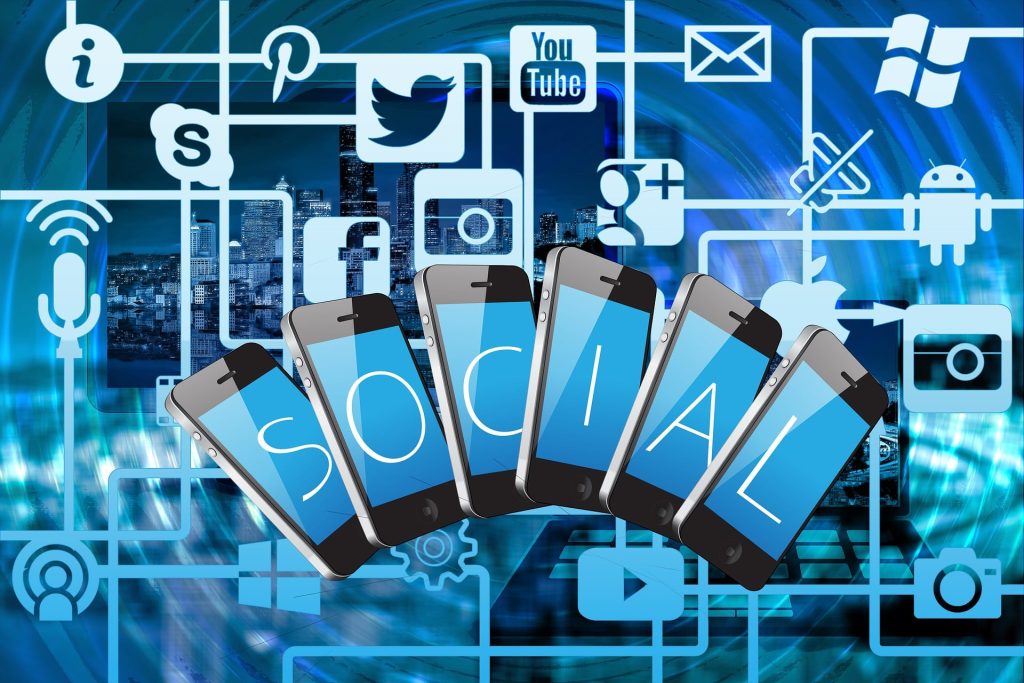
Before deciding where to invest your marketing budget, it’s important to understand the fundamental differences between SEO, PPC, and social media, as each channel uniquely attracts customers and serves a different purpose within a growth strategy.
Seo: Owning Search Visibility
SEO focuses on optimizing your website so it ranks organically in search engines like Google when people search for products, services, or information related to your business. Whether someone searches for “best accountant near me,” “roof repair cost,” or “marketing agency for small business,” effective SEO helps your business appear in those results instead of being overlooked. Its core advantage is that it captures existing search intent, and as your rankings improve over time, your website becomes a long-term asset that continues generating traffic without requiring payment for every visitor.
PPC: Renting Immediate Attention
PPC advertising places your business at the top of search engines or social media platforms by paying for ad placement, allowing you to reach potential customers almost immediately instead of waiting for organic rankings to develop. This channel offers complete control over targeting, budgets, and campaign performance, making it ideal for businesses seeking fast lead generation and measurable returns. Because visibility depends on advertising spend, traffic typically stops as soon as the budget is paused.
Social Media: Building Attention And Trust
Social media marketing uses platforms such as Facebook, Instagram, LinkedIn, and TikTok to distribute content, engage audiences, and strengthen brand awareness. Unlike search engines, where users actively seek solutions, social media users are often browsing for entertainment, inspiration, or discoveries. As a result, social media excels at building relationships, increasing brand recognition, and earning trust over time, frequently influencing future purchasing decisions even when it doesn’t produce immediate conversions.
How Business Goals Should Drive Your Choice
The most important factor in choosing between SEO, PPC, and social media is not the marketing channel itself, but the specific business goal you want to achieve. Each channel delivers the strongest results when it is aligned with your objectives, whether you are focused on generating immediate leads, building long-term growth, or increasing brand awareness and customer engagement.
If Your Goal Is Immediate Leads And Sales – PPC Wins
PPC is the fastest digital marketing channel for generating measurable leads and sales because campaigns can begin producing results within hours or days of launching. This makes it an excellent choice for new businesses seeking rapid growth, service providers offering high-value services, seasonal promotions, limited-time offers, and businesses operating in highly competitive markets where SEO requires more time to gain traction. While PPC delivers speed and immediate visibility, it also requires an ongoing advertising budget and continuous campaign optimization to remain profitable. Without proper conversion tracking and performance management, advertising costs can rise quickly while producing diminishing returns.
If Your Goal Is Long-Term Growth – Seo Wins
SEO is the strongest long-term marketing investment because it builds lasting online visibility that continues generating leads long after the initial work is completed. Although achieving strong search rankings takes time, well-optimized content can consistently attract qualified traffic at a much lower cost than paid advertising. SEO is particularly valuable for businesses focused on sustainable growth, companies in competitive industries, local service providers, B2B organizations with longer sales cycles, and brands looking to establish authority and credibility. As rankings improve over time, individual pages can continue generating leads for years with relatively minimal ongoing investment.
If Your Goal Is Brand Awareness And Engagement – Social Media Wins
Social media is most effective when the primary objective is increasing brand visibility, building trust with potential customers, and growing an engaged audience. It is especially well suited for lifestyle brands, retail and ecommerce businesses, personal brands, creative industries, and companies targeting younger demographics who actively engage across social platforms. While social media excels at strengthening relationships and expanding brand recognition, it typically generates the best business results when integrated with SEO or PPC, as it often serves as a supporting channel rather than a primary source of direct revenue.
Which Marketing Channel Delivers the Best Return on Investment?
Many businesses make marketing decisions based on assumptions instead of actual performance data, making it essential to understand how each marketing channel delivers ROI over time.
SEO ROI: High Long-Term Value, Slow Start
SEO typically takes three to six months to gain meaningful traction and six to twelve months before generating strong returns, while requiring consistent investment in content creation and ongoing optimization. Once rankings are established, the cost per lead decreases significantly, organic traffic continues to grow over time, website authority becomes stronger, and conversion rates often improve. SEO follows a long-term ROI pattern that starts slowly, builds momentum steadily, and delivers increasingly efficient returns as its visibility compounds.
PPC ROI: Fast Results, Variable Cost Efficiency
PPC provides immediate visibility, predictable traffic volume, and highly measurable performance, making it one of the fastest ways to generate leads. Advertising costs vary based on competition, campaigns require continuous optimization to remain profitable, and results stop almost immediately when the advertising budget ends. PPC follows an ROI pattern of delivering instant results and scalable lead generation while maintaining an ongoing dependence on advertising spend.
Social Media ROI: Indirect but Influential
Social media ROI is frequently misunderstood because its value is not always reflected through immediate conversions. Instead, social media strengthens brand perception, builds trust with potential customers, improves the effectiveness of retargeting campaigns, increases opportunities for organic discovery, and encourages long-term customer loyalty. Its ROI pattern typically involves lower direct conversion rates but delivers significant indirect influence that contributes to lasting brand value over time.
When To Choose SEO
SEO is the best choice when:
- You Want Sustainable Lead Generation: SEO is the best choice if you want to generate a consistent flow of leads while reducing your long-term reliance on paid advertising.
- Your Customers Search Before Buying: SEO is especially effective for industries such as legal, finance, healthcare, and home services, where customers typically research online before making a purchasing decision.
- You Can Invest Time Before Seeing Returns: SEO delivers the strongest results for businesses that are willing to invest time and maintain consistent optimization before expecting significant returns.
- You Want Compounding Growth: SEO creates long-term momentum by increasing your online visibility over time, making future marketing efforts more cost-effective and efficient.
When To Choose PPC
- You Need Immediate Leads: PPC is the ideal solution when your business needs immediate leads and a fast way to generate new customers.
- You Are Testing a Market: PPC allows you to quickly test different audiences, messaging, pricing strategies, and offers before making larger marketing investments.
- You Operate in a Competitive Industry: PPC provides immediate visibility in highly competitive industries where achieving strong organic search rankings may take considerable time.
- You Have Strong Conversion Systems: PPC performs best when your landing pages, sales funnels, and conversion processes are fully optimized to turn visitors into customers.
When To Choose Social Media
- Your Product Is Visual or Lifestyle-Based: Social media is highly effective for businesses in industries such as fashion, fitness, food, and similar markets where visual content strongly influences buying decisions.
- You Want to Build Community: Social media is an excellent platform for building relationships, encouraging engagement, and creating a loyal community around your brand.
- You Have Consistent Content Capacity: Social media marketing delivers the best results when you can consistently publish high-quality content and actively engage with your audience.
- You Are Supporting Other Channels: Social media works most effectively as a complementary marketing channel that strengthens the performance of your SEO and PPC campaigns rather than replacing them.
The Best Strategy: Why You Shouldn’t Choose Just One
The most successful businesses rarely depend on a single marketing channel to generate consistent growth. Instead, they build an integrated, multi-channel marketing system where each platform works together to strengthen overall performance.
A well-balanced strategy allows each channel to serve a specific purpose:
- PPC drives immediate, targeted traffic to generate quick leads and sales.
- SEO builds long-term organic visibility that continues attracting qualified visitors over time.
- Social media nurtures trust, strengthens brand awareness, and encourages ongoing customer engagement.
- Email marketing converts prospects into customers while helping retain existing clients through consistent communication.
When these channels work together, they create a predictable and sustainable growth engine that delivers stronger results than relying on any single marketing strategy alone.
A Practical Framework For Decision-Making
Instead of asking “Which channel is best?”, use a practical decision-making framework that evaluates your business goals, budget, competitive landscape, and sales process before choosing the right marketing channels.
Step 1: Define Urgency: Start by determining how quickly you need results. If you need leads immediately, PPC is often the best option. If you’re focused on building sustainable long-term visibility, SEO is the better investment. If your priority is increasing brand awareness and audience engagement, social media should play a central role in your strategy.
Step 2: Evaluate Your Budget: Your available budget should influence your marketing mix. Businesses with limited budgets often achieve the best results by focusing on SEO and organic social media. A moderate budget allows you to combine SEO with PPC for both short- and long-term growth. Larger budgets can support a fully integrated strategy that leverages SEO, PPC, and social media together.
Step 3: Assess Your Competitive Landscape: Consider how competitive your industry is before allocating your marketing spend. In highly competitive markets, combining PPC with a strong SEO strategy provides the best opportunity to gain visibility. In moderately competitive industries, an SEO-first approach is often effective. If competition is relatively low, SEO combined with organic social media may be enough to generate consistent growth.
Step 4: Consider Your Sales Cycle: The length and complexity of your sales process should also guide your marketing decisions. Businesses with short sales cycles often benefit most from PPC because it can generate immediate inquiries. Longer sales cycles typically require SEO and social media to educate prospects and build trust over time. For complex or high-value sales, a coordinated multi-channel strategy is usually the most effective approach for nurturing leads throughout the buying journey.
Common Mistakes Businesses Make
1. Choosing Only One Channel
Relying entirely on a single marketing channel, such as SEO, PPC, or social media, limits your reach and makes your business more vulnerable to changes in algorithms, competition, or platform performance.
2. Expecting Instant SEO Results
SEO is a long-term strategy that requires consistent effort, ongoing optimization, and patience before it produces meaningful and sustainable results.
3. Running PPC Without Optimization
Launching PPC campaigns without regularly refining targeting, keywords, and ad performance often leads to wasted advertising spend and lower returns.
4. Treating Social Media Like a Sales Channel Only
Using social media solely to push sales overlooks its primary purpose of building relationships, engaging audiences, and strengthening brand trust over time.
5. Not Tracking ROI Properly
Failing to measure marketing ROI accurately leaves you without the data needed to make informed decisions, causing strategies to rely on guesswork instead of measurable results.
The Role Of Data In Channel Selection
The best marketing decisions are driven by measurable performance data rather than assumptions. Tracking key metrics such as cost per lead (CPL), cost per acquisition (CPA), conversion rates, revenue by channel, customer lifetime value (CLV), and return on ad spend (ROAS) provides clear insight into which marketing channels generate the greatest profitability. By relying on data instead of surface-level metrics like traffic, businesses can confidently invest in the channels that deliver the strongest financial returns.
Conclusion
Choosing between SEO, PPC, and social media is not about finding a single “best” channel. It’s about understanding how each one contributes to your overall growth strategy. SEO builds long-term authority and sustainable traffic. PPC delivers immediate visibility and fast lead generation. Social media strengthens brand awareness and nurtures trust. Each channel plays a different role in the customer journey, and when used together strategically, they create a powerful and predictable marketing system. The most successful small businesses don’t choose one channel, they prioritize based on goals, budget, and timing. They use PPC to generate immediate leads, SEO to build long-term equity, and social media to stay top-of-mind with their audience.
Frequently Asked Questions
1. Is SEO Better Than PPC For Small Businesses?
SEO is better for long-term growth, while PPC is better for immediate results. Most businesses benefit from using both together.
2. How Much Should I Spend On PPC Vs SEO?
A balanced approach often starts with PPC for short-term leads and SEO for long-term growth. Many businesses allocate more to PPC early, then shift toward SEO over time.
3. Does Social Media Help With SEO Or PPC?
Yes. Social media supports SEO by increasing visibility and engagement, and it improves PPC performance through retargeting and audience familiarity.
4. Which Channel Gives The Fastest ROI?
PPC provides the fastest ROI because it generates immediate traffic and leads.
5. Why Is Seo Important If PPC Is Faster?
SEO builds long-term, cost-effective traffic that continues even when you stop spending on ads.
6. Can I Grow A Business Using Only Social Media?
It’s possible, but difficult. Most businesses achieve better results by combining social media with SEO or PPC.
7. How Long Does It Take To See Results From SEO?
Typically 3-6 months for early results and 6-12 months for strong ROI, depending on competition and strategy.