The way people search for nearby businesses is changing. For years, a typical local search meant entering a short phrase into a search engine, such as “Italian restaurant near me,” “emergency plumber in my area,” or “best family dentist in Chicago.” The search engine would then return a map, advertisements, business profiles, directory listings, and traditional website links.
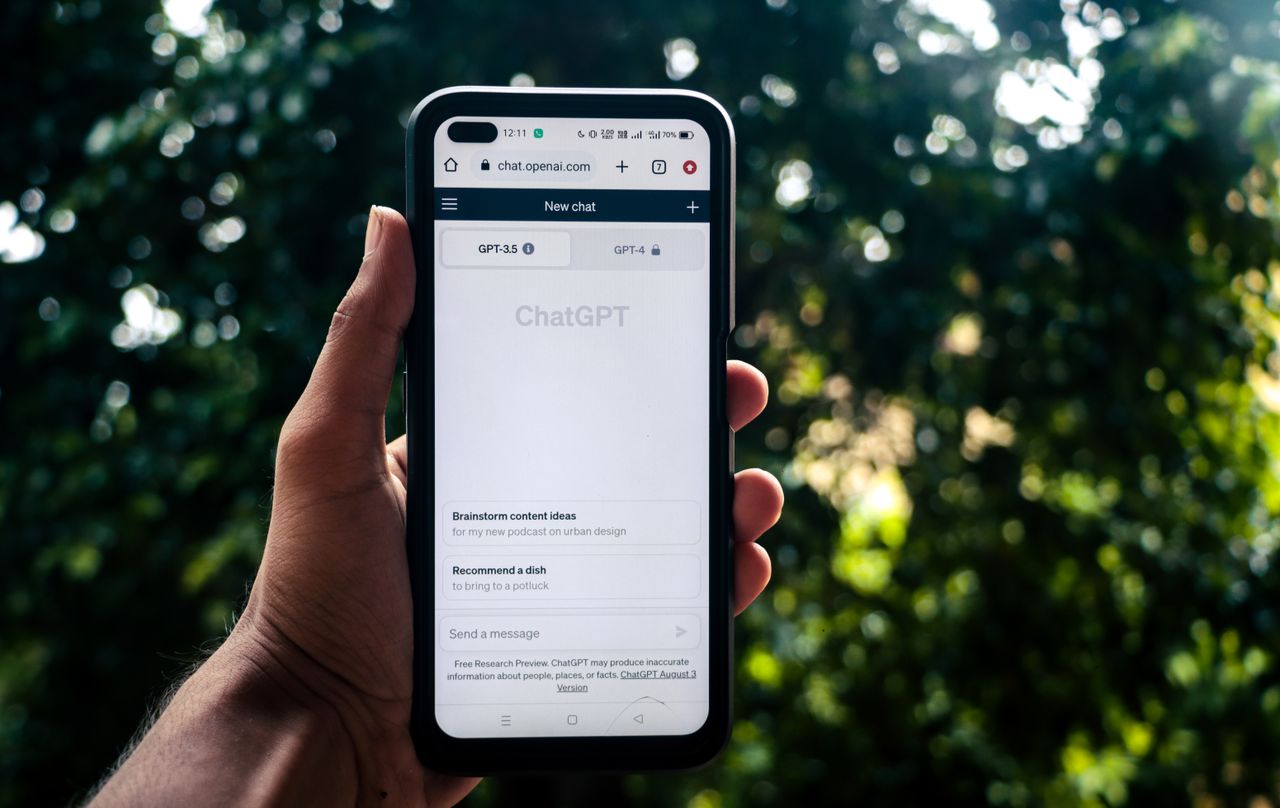
ChatGPT introduces a more conversational way to perform this type of research. Instead of entering several separate searches, users can explain exactly what they need, ask follow-up questions, compare options, and refine their priorities within one conversation. For example, someone might ask:
“Find a highly rated restaurant near downtown that has vegetarian options, accepts reservations tonight, and is quiet enough for a business meeting.”
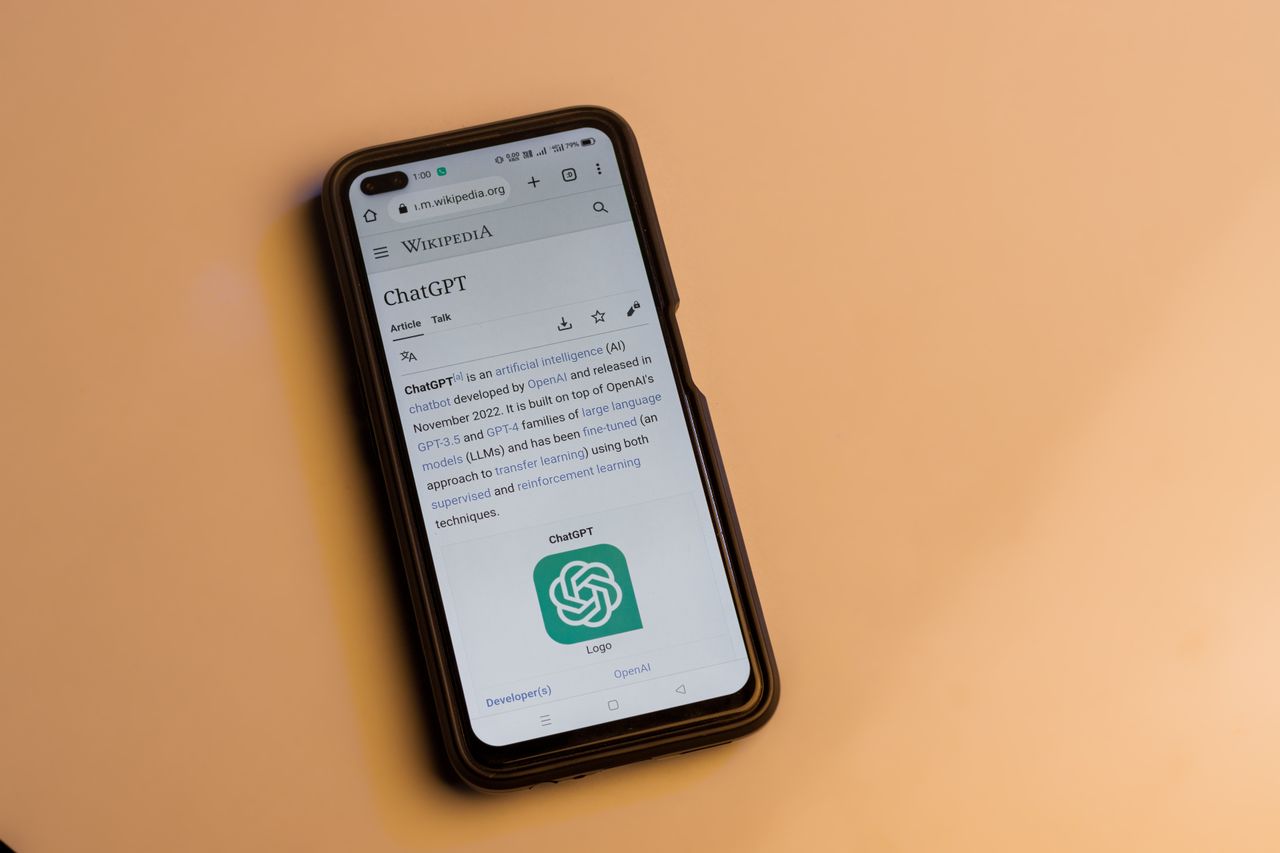
ChatGPT may use web search to find relevant, current information and then organize the findings into a direct response. OpenAI officially describes ChatGPT as having a first-party web-search capability, but it does not necessarily define “ChatGPT Local Search” as a separate product with its own universal ranking system. In this article, the phrase refers to using ChatGPT’s search and reasoning capabilities to discover, evaluate, and compare businesses, services, attractions, and other resources within a particular geographic area.
This distinction is important. ChatGPT local search should not be understood as a simple replacement for a traditional map application or business directory. It is better viewed as a conversational research process. ChatGPT can interpret a detailed request, search for relevant information, summarize what it finds, identify useful distinctions, and respond to follow-up questions. When location information is available or explicitly provided, the search can be tailored to a city, region, neighborhood, or other defined area.
For consumers, this can make local research faster and more natural. For business owners and marketers, it creates a new discovery environment in which clear, accurate, consistent, and useful online information becomes increasingly important.
This article explains what ChatGPT local search means, how it works, what kinds of information it may use, how it differs from traditional local search, what its limitations are, and how businesses can improve their chances of being accurately understood and considered.
Key Takeaways
- “ChatGPT Local Search” is best understood as using ChatGPT’s web-search and conversational capabilities to find and compare location-specific businesses, services, and places.
- OpenAI describes web search as a first-party ChatGPT capability, but it does not necessarily identify local search as a completely separate product with a publicly documented ranking formula.
- ChatGPT can interpret detailed natural-language requests rather than relying only on short keyword phrases.
- Location may come from information supplied in the user’s prompt or other approximate location context available to the search system.
- Search results may reflect business websites, directories, news pages, review platforms, public listings, and other accessible online sources.
- ChatGPT can synthesize information from multiple sources, but the underlying information may still be incomplete, outdated, or inaccurate.
- Users should verify important facts such as operating hours, prices, availability, licensing, accessibility, and emergency service coverage directly with the business.
- Businesses can improve their local visibility by maintaining accurate contact information, creating useful location-specific pages, clearly describing services, and keeping information consistent across the web.
- There is no guaranteed method for securing a specific position in a ChatGPT response.
- Traditional local SEO remains valuable because the online information used by search systems often comes from the same websites, profiles, and third-party sources that support conventional search visibility.
What Does ChatGPT Local Search Mean?
ChatGPT local search refers to the process of asking ChatGPT to find information that is relevant to a specific physical location. The request might concern a nearby business, professional service, attraction, event, store, restaurant, medical provider, contractor, or other local resource.
A local query usually contains either an explicit or implied geographic requirement.
Explicit location requests include:
- “Find a roofing contractor in Sacramento.”
- “What coffee shops are open near Union Square?”
- “Compare family dentists in Austin.”
- “Where can I get an oil change in Berkeley this afternoon?”
- “Find a hotel near the convention center in San Diego.”
Implied local requests include:
- “What is the best pizza near me?”
- “Where can I buy flowers nearby?”
- “Is there an urgent care center open now?”
- “Find a quiet café within walking distance.”
- “Which local towing companies operate overnight?”
In an explicit request, the user names the city, neighborhood, address, landmark, or service area. In an implied request, ChatGPT may need location context to give a relevant answer. If the user’s location is unknown or too broad, ChatGPT may ask for a city, ZIP code, neighborhood, or nearby landmark.
Local Search Is A Type Of Intent
Local search is not defined only by the presence of a city name. It is defined by the user’s intent to find something connected to a real-world place.
Consider the difference between these two questions:
- “How does professional carpet cleaning work?”
- “Who provides professional carpet cleaning near me?”
The first is informational. The user wants to understand a service. The second has local commercial intent. The user may be preparing to contact, visit, or hire a business.
Some queries combine both kinds of intent:
“I need to remove water damage from the carpet. What cleaning method should I look for, and which providers in my area offer it?”
ChatGPT can first explain the service and then search for nearby providers that appear to match the need. This combination of education and discovery is one of the most distinctive aspects of conversational local search.
It Is More Than A List Of Nearby Businesses
Traditional local search often presents a ranked list. ChatGPT may instead create a short, organized answer explaining why certain options appear relevant.
For example, a user might ask for a restaurant that:
- Is within 15 minutes of a particular address
- Serves gluten-free meals
- Is suitable for children
- Has outdoor seating
- Accepts reservations
- Is open after 9 p.m.
- Falls within a certain price range
Rather than forcing the user to open and compare numerous listings, ChatGPT may attempt to bring those requirements together. It can explain which businesses appear to meet most of the criteria and identify details that still need to be confirmed.
That ability to combine several requirements is what makes conversational local search different from a simple directory lookup.
Is ChatGPT Local Search An Official Standalone Feature?
The phrase “ChatGPT Local Search” is widely useful as a descriptive term, but it should be used carefully. OpenAI’s official documentation describes ChatGPT’s web-search functionality and explains that ChatGPT can search the web while working on a response. However, the documentation does not necessarily present “Local Search” as a separate consumer product with an independent, publicly documented ranking system.
According to the official ChatGPT web-search documentation, ChatGPT includes a first-party web-search tool. That capability can support local discovery when the user asks a location-based question.
Therefore, when people discuss ChatGPT local search, they usually mean one or more of the following:
- Using ChatGPT to search for nearby businesses
- Asking for recommendations within a particular city
- Comparing local service providers conversationally
- Searching for current operating hours or availability
- Finding places that satisfy several specific requirements
- Refining a local search through follow-up questions
- Using ChatGPT as an alternative starting point for local research
This terminology distinction helps prevent unsupported assumptions. There may not be one fixed “ChatGPT local ranking algorithm” that businesses can optimize for in the same way marketers discuss a traditional map pack.
How Does ChatGPT Local Search Work?
At a high level, ChatGPT local search combines language understanding, web retrieval, information evaluation, and response generation.
The precise internal systems can change over time, and OpenAI does not publicly disclose every signal or decision involved. However, the user-facing process can be understood through several basic stages.
ChatGPT Interprets The User’s Request
The process begins with natural-language understanding. ChatGPT examines the request to identify the user’s actual goal.
A local query can contain multiple components:
- The type of business or place
- The desired geographic area
- The distance the user is willing to travel
- Timing or current availability
- Budget
- Required features
- Personal preferences
- Exclusions
- Quality or reputation expectations
- Accessibility needs
- Urgency
Suppose a user asks:
“Find a reliable electrician near Oakland who handles older homes and can provide weekend service.”
ChatGPT may identify several separate requirements:
- Service category: electrician
- Location: Oakland or nearby
- Specialty: older homes
- Availability: weekends
- Desired quality: reliable
This is different from matching only the phrase “Oakland electrician.” The system attempts to interpret the complete meaning of the request.
Conversational Context Can Refine Intent
The initial request does not need to contain every detail. ChatGPT can ask questions or use later messages to narrow the results.
A conversation might develop like this:
User: “Find a restaurant near me for dinner.”
ChatGPT: “What area are you in, and do you have a preferred cuisine or price range?”
User: “Downtown Seattle. Something Japanese, but not sushi.”
User: “Also, it needs to be quiet.”
Each new detail changes the search. ChatGPT can retain the conversational context and refine the response without requiring the user to repeat the entire request.
ChatGPT Determines The Relevant Location
A local search requires a geographic reference. That reference may be supplied directly by the user or made available as an approximate location context.
The safest and clearest approach is for users to name the location themselves. A city may be sufficient for a broad search, but a neighborhood, ZIP code, landmark, or intersection can provide more relevant results.
Useful location details include:
- City and state
- Neighborhood
- ZIP code
- Street or intersection
- Nearby landmark
- Maximum travel distance
- Desired driving or walking time
- Service radius
- Starting and ending locations
Developers using OpenAI’s web-search tools can provide approximate user-location information, including country, city, region, and timezone, to help localize results. OpenAI’s web-search API documentation includes examples of supplying approximate location details for searches such as finding restaurants nearby.
The existence of location support does not mean every ChatGPT interaction automatically uses precise device location. Users should not assume that ChatGPT knows their exact address. If location matters, stating it in the prompt is usually the most reliable method.
Why Geographic Precision Matters
The phrase “near me” can mean different things depending on context.
For a coffee shop, “nearby” may mean within walking distance. For a specialized surgeon, it may mean within 100 miles. For an emergency towing service, it may mean any provider that can reach the user’s current roadside location. For a home contractor, it may refer to companies whose service areas include the user’s city, even if their offices are elsewhere.
Users can improve results by defining what “local” means:
- “Within a 10-minute walk”
- “Less than five miles away”
- “Serving the entire county”
- “Within a 30-minute drive”
- “Available to come to my address”
- “Near the airport”
- “Between my hotel and the convention center”
The more precise the geographic requirement, the easier it is to evaluate relevance.
ChatGPT May Search The Web
When current or location-specific information is needed, ChatGPT may use web search to retrieve relevant information.
OpenAI explains that its web-search tools allow models to access current internet information and provide answers with source citations. Search can therefore help with details that may change, such as:
- Business hours
- Current services
- Menus
- Temporary closures
- Event schedules
- Availability
- Recently published information
- Current locations
- Seasonal offerings
- Updated contact information
The search process may surface information from different kinds of websites, including:
- Official business websites
- Location and service pages
- Business directories
- Review platforms
- Tourism websites
- Professional associations
- Government websites
- News publications
- Reservation platforms
- Event calendars
- Social or community sources
- Publicly accessible business profiles
The exact sources used can vary by query. A restaurant search may rely on different types of sources than a search for a structural engineer, medical provider, or emergency roadside service.
Search Is Not The Same As Browsing Every Business
ChatGPT does not necessarily visit every possible business website in a city. Search systems retrieve a limited set of results considered relevant to the request. ChatGPT then works with the information available from those results.
This means a qualified local business might not appear in a particular answer. Possible reasons include:
- Its website is difficult to find
- Its services are not clearly described
- Its location information is inconsistent
- Its content does not answer the user’s specific request
- Important pages are inaccessible to search systems
- Other sources provide clearer or more current information
- The business is outside the interpreted search area
- The search retrieved only a limited selection of candidates
Omission does not necessarily mean the business is poor, untrustworthy, or ineligible. It may simply mean the available search evidence did not make it a strong match for that particular query.
ChatGPT Evaluates Relevance To The Request
After retrieving information, ChatGPT attempts to determine which findings best address the user’s needs.
Potential relevance factors may include:
- Geographic match
- Service match
- Whether the business appears open
- Availability of the requested feature
- Information quality
- Source consistency
- Suitability for the stated budget
- Accessibility
- Evidence of specialization
- Recency of available information
- Whether claims can be supported by accessible sources
It is important not to confuse these possible considerations with a confirmed public ranking formula. OpenAI does not provide a universal checklist guaranteeing that a business will be mentioned.
ChatGPT may also distinguish between verified information and uncertainty. For example:
- “The business’s website lists Saturday hours.”
- “The menu appears to include vegan options.”
- “The company says it serves the surrounding county.”
- “Current same-day availability was not confirmed.”
- “Call before visiting because holiday hours may differ.”
Responsible local search should clearly separate what a source supports from what still requires direct confirmation.
ChatGPT Synthesizes The Information
Traditional search commonly returns links. ChatGPT can transform those links into a conversational summary.
A synthesized response might organize candidates by:
- Best overall match
- Closest option
- Best for a particular budget
- Best for a specialized need
- Best for weekend availability
- Best for families
- Best for accessibility
- Best for urgent service
The response may include a comparison of services, locations, hours, and important limitations. It may also explain why each candidate appears relevant.
This synthesis can save time, but it introduces a crucial responsibility: users should still inspect source links and confirm consequential details.
Why Citations Matter
Citations allow users to examine the pages supporting an answer. This is especially important for changing local information.
A cited source can help the user confirm:
- Whether an address is correct
- Whether a service is actually offered
- Whether operating hours are current
- Whether a provider serves the user’s neighborhood
- Whether a restaurant accommodates a dietary need
- Whether an event is still scheduled
- Whether the information came from the business itself or a third party
A citation does not guarantee that every claim is accurate. Websites can be outdated, and third-party information can contain errors. However, citations make the research process more transparent.
The User Can Refine The Search
One of the greatest advantages of ChatGPT local search is iterative refinement.
After receiving an initial list, a user can ask:
- “Which one is closest?”
- “Remove any that are closed on Sundays.”
- “Which options offer free estimates?”
- “Show only businesses serving my ZIP code.”
- “Which one appears best for a historic home?”
- “Compare the top three by price and availability.”
- “Do any offer wheelchair-accessible entrances?”
- “Which restaurants accept reservations?”
- “Can you verify these hours on the official websites?”
This creates a research dialogue rather than a series of disconnected searches.
How ChatGPT Local Search Differs From Traditional Search
ChatGPT and traditional search engines overlap, but the user experience is different.
Natural Language Instead Of Short Keywords
Traditional search often rewards concise keyword phrases. ChatGPT allows the user to describe a complete situation.
Instead of:
“plumber San Jose weekend water heater”
A user can ask:
“My water heater is leaking, and I need a licensed plumber serving San Jose who works on weekends. I would prefer a company that clearly explains emergency charges before dispatch.”
The second version provides context, preferences, and decision criteria.
A Direct Summary Instead Of Only Links
ChatGPT may explain findings in a readable response. Traditional search usually requires the user to open multiple pages, identify useful facts, and compare them manually.
Follow-Up Questions Preserve Context
ChatGPT can remember the parameters established earlier in the conversation. A user can refine the request without starting over.
Multiple Criteria Can Be Combined
Conversational search is particularly useful when the decision depends on several conditions at once.
Traditional Search Still Plays an Important Role
ChatGPT local search does not make conventional search engines, maps, directories, or business websites irrelevant. Search-based AI frequently depends on publicly accessible web information. Traditional local-search visibility can therefore support visibility in conversational search as well.
Users may also need a dedicated map application for:
- Turn-by-turn directions
- Real-time traffic
- Precise distance calculations
- Street-level navigation
- Live location sharing
- Complex route planning
ChatGPT is often most useful for researching and narrowing choices, while specialized tools may be better for navigation or real-time operational data.
What Information Does ChatGPT Use For Local Results?
There is no single public database that completely defines every local response. Depending on the search, ChatGPT may encounter information across many online sources.
Official Business Websites
A business’s website can provide first-party information about:
- Services
- Service areas
- Addresses
- Hours
- Contact details
- Pricing approach
- Appointment procedures
- Qualifications
- Accessibility
- Policies
- Frequently asked questions
Clear official information can help a search system understand what the business does and where it operates.
Business Profiles And Directories
Directory listings may supply structured information such as business category, address, phone number, hours, and website.
Consistency matters. If a company has different phone numbers, addresses, or names across multiple profiles, it becomes harder for users and automated systems to determine which information is correct.
Reviews And Reputation Information
Reviews may provide useful context, but they should be interpreted carefully. Individual reviews are subjective, may be outdated, and may not represent the experience of every customer.
A responsible comparison should not treat a single review as proof of a broad claim. Users should look for patterns and consider the number, age, and relevance of reviews.
News, Publications, And Community Sources
Local news, tourism publications, professional associations, and community websites may offer additional information about a business or attraction.
Structured Website Information
Search systems can more easily interpret pages that clearly identify a business’s name, address, phone number, services, and service area. Structured data may help search technologies understand the nature of a page, although implementing it does not guarantee inclusion in a ChatGPT answer.
What Kinds Of Local Searches Can ChatGPT Handle?
Restaurants And Food
Users can search by cuisine, price, hours, atmosphere, dietary accommodations, reservation availability, and distance.
Example:
“Find a casual Thai restaurant near downtown Denver with vegetarian entrées and seating for eight people.”
Home And Professional Services
ChatGPT can help research contractors, painters, electricians, plumbers, landscapers, accountants, attorneys, photographers, and other service providers.
Example:
“Compare local foundation repair companies that evaluate crawlspace supports and serve homes in my area.”
Shopping
Users can search for stores carrying a particular product, compare nearby retailers, or look for specialty shops.
Current stock should always be confirmed with the store.
Healthcare
ChatGPT may help identify publicly listed providers, specialties, locations, and appointment information. However, it should not replace professional medical guidance, insurance verification, or emergency services.
Travel And Attractions
Users can search for hotels, landmarks, museums, activities, transportation options, and places near a destination.
Emergency And Time-Sensitive Services
ChatGPT may help identify towing companies, locksmiths, urgent repair services, or medical facilities. In emergencies involving immediate danger, users should contact the appropriate emergency service instead of relying only on an online search.
How Businesses Can Improve Their Visibility In ChatGPT Local Search
There is no guaranteed formula for being recommended by ChatGPT. Businesses can, however, make their online information easier to discover, interpret, and verify.
Maintain Accurate Business Information
Keep the following information accurate and consistent:
- Business name
- Address
- Phone number
- Website
- Hours
- Service categories
- Service area
- Appointment requirements
- Emergency availability
- Holiday schedules
Contradictory information creates uncertainty. If a website says a business is open on Sunday while a directory says it is closed, a search response may repeat the wrong information or warn the user to verify it.
Clearly Explain What The Business Does
A homepage filled with broad marketing statements may not answer specific customer questions.
Businesses should describe:
- Core services
- Specialized services
- Problems they solve
- Customers they serve
- Geographic coverage
- Availability
- Service limitations
- How to request help
For example, “We provide comprehensive solutions” communicates less than “We provide residential drain cleaning, sewer-camera inspections, water-heater repair, and emergency plumbing throughout the county.”
Create Useful Location Pages
A service-area business may benefit from dedicated pages for the cities or regions it genuinely serves. Each page should provide meaningful local information rather than merely replacing one city name with another.
A helpful location page might include:
- Services offered in that area
- Common local customer needs
- Neighborhood or property considerations
- How scheduling works
- Travel or service boundaries
- Relevant FAQs
- Clear contact information
Businesses should avoid claiming locations they do not actually serve.
Build Pages Around Real Customer Questions
Conversational search often begins with detailed questions. Businesses can create content that provides clear answers.
Examples include:
- “Do you provide weekend towing?”
- “Can you repair foundations in hillside homes?”
- “How long does an interior painting project take?”
- “Do you offer vegetarian catering?”
- “Can I schedule a nonemergency tow?”
- “What should I do before an emergency plumber arrives?”
Useful answers improve the website for customers and make the business’s capabilities easier to understand.
Keep Content Current
Outdated pages can damage trust. Review content regularly for:
- Old hours
- Discontinued services
- Closed locations
- Former employees
- Expired promotions
- Incorrect phone numbers
- Broken contact forms
- Outdated policies
- Unsupported claims
A prominent “24-hour service” statement should be removed or qualified if the business no longer answers calls around the clock.
Make The Website Accessible To Search Systems
Important information should be available as clear webpage text rather than hidden only in images, videos, or complicated interactive elements.
Businesses should also address:
- Broken pages
- Slow loading
- Poor mobile usability
- Confusing navigation
- Duplicate content
- Missing page titles
- Insecure connections
- Incorrect indexing controls
Strong technical SEO does not guarantee a ChatGPT mention, but it can make content easier to retrieve and evaluate.
Earn Credible Mentions
Accurate references from reputable local organizations, industry associations, publications, and community resources may help establish that a business exists and does what it claims.
Businesses should focus on genuine recognition rather than manufacturing low-quality listings or misleading endorsements.
Avoid Unsupported Superlatives
Claims such as “the best,” “number one,” or “most trusted” should not be used without meaningful support. Clear factual statements are more useful:
- “Serving the area since 2005”
- “Appointments available on Saturdays”
- “Specializing in historic-home restoration”
- “Offering flatbed towing”
- “Wheelchair-accessible entrance”
- “Vegetarian menu available”
Specific, verifiable information gives search systems and customers something concrete to evaluate.
Limitations Of ChatGPT Local Search
Information Can Be Outdated
Hours, prices, staffing, inventory, and availability can change quickly. Even an official website may not reflect a last-minute closure.
ChatGPT Can Make Mistakes
AI-generated answers may misunderstand a source, combine details incorrectly, or present an unsupported inference. Users should verify consequential decisions.
Results May Not Be Complete
A response is not necessarily an exhaustive directory. Businesses omitted from the answer may still be excellent options.
“Best” Is Subjective
The best choice depends on personal needs. One user may prioritize price, another proximity, and another specialization.
Proximity May Be Imprecise
Unless a system has accurate location and mapping data, statements such as “closest” or “within ten minutes” may require independent confirmation.
Availability Can Change Immediately
Appointment openings, restaurant tables, hotel rooms, and product inventory may change between the search and the user’s call or visit.
High-Stakes Decisions Require Additional Verification
When searching for doctors, attorneys, financial professionals, contractors, or other regulated providers, users should verify qualifications, licensing, insurance, disciplinary history, and suitability through authoritative sources.
How To Get Better Local Search Results From ChatGPT
Users can improve results by writing specific prompts.
A strong local prompt should include:
- What you need
- Where you need it
- How far you can travel
- When you need it
- Your budget
- Required features
- Important exclusions
- What should be verified
For example:
“Find three family-friendly Italian restaurants within five miles of downtown Phoenix that are open after 8 p.m. on Sunday and have clearly listed gluten-free options. Use current sources and link to each restaurant’s official website.”
This is more useful than:
“Best restaurants near me.”
Users can also request transparency:
- “Use official business websites where possible.”
- “Tell me which details could not be verified.”
- “Include the source for the opening hours.”
- “Do not assume that a service is available.”
- “Separate confirmed facts from customer opinions.”
- “Check whether each company actually serves my ZIP code.”
The Future Of Local Search
Conversational search is likely to make local discovery more personalized and task-focused. Users increasingly expect search tools to understand constraints, compare options, summarize evidence, and help with the next step.
This shift may influence how businesses present information online. Pages created only to repeat keywords may become less useful than pages that answer real questions with clear facts.
The core principles of local visibility are unlikely to disappear:
- Be easy to identify
- Clearly describe services
- State where the business operates
- Keep contact information accurate
- Provide useful answers
- Maintain a trustworthy website
- Support important claims
- Make information easy to verify
As search interfaces evolve, these fundamentals remain valuable because they serve both people and technology.
Conclusion
ChatGPT local search is a conversational method of finding and evaluating businesses, services, attractions, and other resources connected to a specific geographic area. Rather than functioning only as a list of links, it can interpret detailed requests, search for current information, combine facts from multiple sources, summarize relevant options, and respond to follow-up questions.
It is important to understand that “ChatGPT Local Search” is primarily a descriptive term. OpenAI officially documents ChatGPT’s web-search capability, but it does not necessarily identify local search as an entirely separate product with a single publicly documented ranking formula.
The process generally begins when ChatGPT interprets the user’s need and geographic intent. It may then search publicly accessible web information, evaluate which sources and businesses appear relevant, and synthesize the findings into a conversational response. The user can continue refining the search based on price, distance, availability, specialization, accessibility, or other priorities.
For consumers, ChatGPT can simplify local research, especially when several criteria must be considered at once. However, users should verify changing or consequential details directly with the business or an authoritative source.
For businesses, success begins with accurate, useful, and consistent online information. A clear website, well-maintained business details, honest service descriptions, helpful location pages, and direct answers to customer questions can make a company easier for both people and search systems to understand.
ChatGPT local search represents an important evolution in how people discover nearby services. It does not eliminate traditional search, business directories, maps, or official websites. Instead, it creates a conversational layer that can help users turn scattered information into a more focused decision.
Frequently Asked Questions
1. What Is ChatGPT Local Search?
ChatGPT local search refers to using ChatGPT to find and compare businesses, services, places, or resources within a particular geographic area. It usually relies on ChatGPT’s conversational understanding and, when available, web-search capabilities.
2. Is ChatGPT Local Search An Official Standalone OpenAI Product?
OpenAI officially documents web search as a ChatGPT capability. However, “ChatGPT Local Search” is better understood as a descriptive name for location-based searches conducted through ChatGPT rather than a guaranteed standalone product with a separately documented ranking system.
3. How Does ChatGPT Know My Location?
ChatGPT may use a location explicitly stated in your prompt or other approximate location context made available to the search system. You should not assume that it knows your exact address. For better results, provide your city, neighborhood, ZIP code, landmark, or preferred travel distance.
4. Can ChatGPT Find Businesses Near Me?
Yes, ChatGPT may be able to search for nearby businesses when web search is available and sufficient location information is provided. The completeness and accuracy of the results depend on the information accessible online.
5. Where Does ChatGPT Get Local Business Information?
Information may come from official business websites, directories, public profiles, review platforms, news pages, tourism websites, professional organizations, and other accessible online sources. The sources used can vary by query.
6. Are ChatGPT Local Results Always Accurate?
No. Information may be outdated, incomplete, misunderstood, or incorrect. Verify addresses, hours, availability, prices, qualifications, and other important details directly with the business or an authoritative source.
7. Can A Business Pay To Rank First In ChatGPT Local Search?
Businesses should not assume there is a standard method for buying the top position in an ordinary ChatGPT response. Search and advertising experiences can evolve, so businesses should rely on current official OpenAI information rather than unsupported claims from third parties.
8. How Can My Business Appear In ChatGPT Local Results?
There is no guaranteed placement method. Improve discoverability by maintaining an accessible website, publishing accurate service and location information, keeping business details consistent, answering common customer questions, and earning credible online mentions.
9. Does Traditional Local SEO Still Matter?
Yes. Traditional local SEO helps businesses make their websites, profiles, and location information easier to find and understand. These same online sources may also contribute to conversational search results.
10. Should Every Business Create City-Specific Pages?
Only when the pages serve a real customer need and represent areas the business genuinely serves. Each page should contain useful, original information. Creating large numbers of thin pages with only the city name changed can provide a poor user experience.
Start Showing Up When Customers Search With ChatGPT
More people are using ChatGPT to find local businesses, compare services, and decide who to contact. If your business isn’t showing up in those local recommendations, potential customers may be finding your competitors instead.
ChatGPT Local Search creates a new opportunity to get your business in front of people who are actively looking for the services you provide. By strengthening your local search presence, business information, website content, and online authority, you can improve the signals that help ChatGPT understand who you are, what you offer, and where you serve.
Magnified Media can help position your business for greater visibility as local search continues moving beyond traditional Google results and into AI-powered platforms.
Call (925) 240-3481 or click here to see how Magnified Media can help your business improve its visibility in ChatGPT Local Search and get found by more local customers.