If you’ve searched for your business on Google Maps only to find that it doesn’t appear—or it’s buried beneath competitors—you are not alone. Many business owners encounter this frustrating issue, and the consequences can be significant. Since Google Maps is one of the most widely used tools for finding local businesses, poor visibility can mean fewer phone calls, website visits, direction requests, and ultimately, fewer customers.
A missing or poorly ranked Google Business Profile doesn’t always indicate a major problem. In many cases, the issue is caused by incomplete information, verification delays, duplicate listings, or missed optimization opportunities. Google’s local search algorithm evaluates numerous factors before deciding which businesses to display, and even small inconsistencies can affect your rankings.
The good news is that most Google Maps visibility issues can be identified and resolved. Understanding how Google determines local rankings is the first step toward improving your online presence and making it easier for potential customers to find your business.
In this guide, we’ll explain the most common reasons businesses don’t appear on Google Maps, walk through practical solutions, and share best practices to help improve your Google Business Profile and strengthen your local SEO over time.
Key Takeaways
- A verified and fully completed Google Business Profile is essential for appearing on Google Maps.
- Accurate business information helps Google understand and trust your listing.
- Local rankings are primarily influenced by relevance, distance, and prominence.
- Reviews, website quality, and consistent business information all contribute to better visibility.
- Most Google Maps issues can be corrected with proper optimization and ongoing profile management.
How Google Determines Which Businesses Appear on Google Maps
Many business owners assume that Google simply displays every nearby business whenever someone performs a search. In reality, Google’s local search algorithm carefully evaluates hundreds of signals before deciding which businesses deserve the most visibility.
While the algorithm continues to evolve, Google consistently emphasizes three primary ranking factors: relevance, distance, and prominence.
Relevance
Relevance refers to how closely your business matches what someone is searching for. Google analyzes your business category, services, business description, website content, and other information within your Google Business Profile to determine whether your company is a good fit for a particular search.
For example, if someone searches for “emergency plumber,” Google prioritizes businesses whose profiles clearly indicate they provide emergency plumbing services rather than companies with vague or incomplete descriptions.
The more accurately your profile reflects your services, the better Google can connect your business with the right customers.
Distance
Distance measures how close your business is to the searcher’s location or the location specified in the search.
When users search phrases like “near me,” Google naturally favors businesses located nearby. However, proximity is only one part of the equation. A business located slightly farther away may still rank above a closer competitor if it has stronger authority, more positive reviews, and a better-optimized profile. Because of this, businesses shouldn’t assume location alone determines rankings.
Prominence
Prominence reflects your business’s overall reputation and authority, both online and offline. Google considers a wide variety of signals, including customer reviews, website authority, backlinks, local citations, media mentions, and overall online engagement.
Businesses that consistently maintain accurate information, earn positive reviews, publish helpful website content, and actively manage their online presence typically build greater trust with Google’s algorithm. Over time, these trust signals can contribute to improved visibility in Google Maps results.
The Three Key Factors That Influence Local Search Rankings
Understanding these three ranking factors provides valuable insight into why some businesses consistently appear near the top of local search results while others struggle to gain visibility.
Reason #1: Your Google Business Profile Hasn’t Been Verified
One of the most common reasons a business doesn’t appear on Google Maps is that its Google Business Profile has not been fully verified.
Verification confirms that you are the legitimate owner or authorized manager of the business. Until Google completes this process, your listing may not appear publicly or may have limited visibility in local search results.
If you’ve recently created your profile, log into your Google Business Profile dashboard and check its verification status. Google may request verification through a postcard, phone call, email, video verification, or another approved method depending on your business type.
Even after verification is completed, it may take several days before your listing becomes fully visible across Google Search and Google Maps. During this period, avoid making unnecessary changes to your profile, as significant edits can sometimes trigger additional reviews by Google.
If your profile has remained unverified or pending for an extended period, it’s worth reviewing your verification request to ensure all information is accurate and complete.
Reason #2: Your Business Information Is Incomplete or Inaccurate
Google aims to provide users with reliable and trustworthy information. Profiles that are incomplete, outdated, or inconsistent often perform poorly because Google has less confidence in the accuracy of the listing.
Your Google Business Profile should include complete and accurate details about your business, including your official business name, address, phone number, website, business hours, categories, services, business description, and high-quality photos. Every piece of information helps Google better understand your business while giving potential customers the confidence to contact or visit you.
Consistency also plays a major role. Your business name, address, and phone number—often referred to as your NAP information—should match exactly across your website, social media profiles, online directories, and other local citations. Even small inconsistencies, such as abbreviating “Street” in one location and spelling it out in another, can create confusion for search engines and weaken your local SEO signals.
Regularly reviewing your profile for outdated hours, incorrect phone numbers, or missing information helps maintain both search visibility and customer trust.
Reason #3: Your Business Category Doesn’t Accurately Reflect Your Services
Choosing the right business category is one of the most influential decisions you make when creating a Google Business Profile. Your primary category tells Google exactly what your business does and determines which searches your listing is eligible to appear in.
If your category is too broad or doesn’t accurately represent your primary service, Google may have difficulty matching your business with relevant local searches.
For example, a company specializing exclusively in kitchen remodeling may receive better visibility by selecting “Kitchen Remodeler” instead of the broader category of “General Contractor.” Likewise, businesses offering multiple services should use secondary categories to highlight additional specialties without diluting their primary focus.
Reviewing your categories periodically ensures they continue to align with your current services and reflect any changes to your business over time.
Reason #4: Your Business Profile Violates Google’s Guidelines
Google maintains strict guidelines to ensure that Maps listings provide accurate and trustworthy information. Profiles that violate these policies may experience reduced visibility or, in more serious cases, suspension.
Common violations include adding unnecessary keywords to the business name, creating duplicate listings, using addresses that don’t meet Google’s eligibility requirements, or providing misleading business information. While some businesses intentionally use these tactics to improve rankings, others unknowingly violate Google’s guidelines during profile setup.
If your listing suddenly disappears or experiences a significant drop in visibility, reviewing Google’s Business Profile guidelines is an important first step. Correcting policy violations promptly can often restore your listing and help prevent future issues.
Reason #5: Your Business Is Still Building Authority
If your business is new, it may simply need more time to establish credibility with Google’s local search algorithm.
Google gradually builds confidence in a business by evaluating signals such as customer reviews, profile activity, website quality, local citations, and overall online engagement. New businesses typically have fewer of these trust signals, making it more difficult to compete with established companies that have built a strong online presence over several years.
Rather than expecting immediate top rankings, focus on consistently improving your profile, encouraging satisfied customers to leave reviews, publishing helpful website content, and keeping your business information current. These ongoing efforts help build authority over time and increase your chances of appearing more prominently in Google Maps and local search results.
Reason #6: A Duplicate Google Business Profile Is Confusing Google
Duplicate business listings are more common than many owners realize. They often occur when a business moves to a new location, changes its name, creates a second profile by mistake, or has an old listing generated automatically by Google. While having multiple listings may seem harmless, duplicate profiles can split ranking signals and make it harder for Google to determine which listing should appear in search results.
For example, customer reviews may be spread across two profiles instead of strengthening one authoritative listing. One profile may contain outdated contact information while another displays the correct details, creating an inconsistent experience for both Google and potential customers.
If you suspect duplicate listings exist, search for your business name, address, and phone number on Google Maps. Check whether multiple profiles appear for the same location or business. If duplicates are found, claim any listings you own and request that unnecessary profiles be removed or merged according to Google’s guidelines. Maintaining one complete, accurate profile helps consolidate your authority and improves your chances of ranking well.
Reason #7: Your Website Isn’t Supporting Your Google Business Profile
Your Google Business Profile and your website work together to strengthen your local search visibility. While a well-optimized profile is important, Google also evaluates the quality and relevance of your website when determining local rankings.
If your website is outdated, lacks useful content, loads slowly, or provides inconsistent business information, it can weaken the trust signals associated with your profile. Likewise, if your website doesn’t clearly explain your services or target the locations you serve, Google has less information to connect your business with relevant local searches.
A strong local website should include detailed service pages, location-specific content where appropriate, accurate contact information, and a clear description of your business. It should also be mobile-friendly, secure, and easy to navigate. Since many users who find your business on Google Maps will visit your website before contacting you, a professional site not only supports rankings but also helps convert visitors into customers.
Reason #8: You’re Not Receiving Enough High-Quality Reviews
Customer reviews play a significant role in Google’s local ranking algorithm. Businesses with a steady stream of authentic, positive reviews often enjoy greater visibility than competitors with few or outdated reviews.
Reviews provide valuable information about customer experiences while demonstrating that your business is active and trusted within the community. Google also pays attention to review quality, frequency, and the business owner’s responses.
Instead of asking for a large number of reviews all at once, encourage satisfied customers to leave feedback consistently over time. Responding professionally to both positive and negative reviews shows that you value customer experiences and actively manage your business.
Keep in mind that purchasing fake reviews or offering incentives in exchange for positive feedback violates Google’s policies and can damage your credibility if discovered. Authentic reviews remain the most effective long-term strategy for improving both rankings and customer trust.
Reason #9: Your Business Lacks Strong Local SEO Signals
A Google Business Profile doesn’t exist in isolation. Google also looks across the web to verify that your business is legitimate and well established.
Local SEO signals include mentions of your business on reputable online directories, industry-specific websites, local chambers of commerce, professional associations, and other trusted sources. These references, commonly called local citations, help Google confirm that your business information is accurate and consistent.
If your business appears with different names, addresses, or phone numbers across multiple websites, Google may become less confident in your listing. Likewise, if your competitors have a much stronger presence across local directories and community websites, they may receive higher rankings.
Building local authority takes time, but maintaining accurate listings across trusted platforms strengthens your overall online presence and supports better Google Maps performance.
Reason #10: Your Profile Isn’t Being Updated Regularly
Google favors businesses that actively maintain their profiles. A neglected profile with outdated information and few recent updates may appear less reliable than one that is consistently managed.
Keeping your profile active doesn’t require major changes every week. Small, meaningful updates demonstrate that your business is operating and engaged with customers.
Examples of regular profile maintenance include updating business hours for holidays, adding recent photos, publishing Google Business Profile posts, updating services, and answering customer questions. These activities help keep your profile fresh while providing users with accurate information.
Businesses that routinely monitor and improve their profiles often create a better customer experience, which can indirectly contribute to stronger local search performance.
Reason #11: You’re Operating in a Highly Competitive Market
Sometimes your Google Business Profile is functioning correctly, but you’re competing against businesses that have spent years building stronger local authority.
Highly competitive industries such as legal services, healthcare, home services, real estate, and digital marketing often feature businesses with extensive review histories, well-established websites, strong backlink profiles, and highly optimized Google Business Profiles.
If you’re entering a competitive market, patience and consistency are essential. Rather than expecting immediate top-three Map Pack rankings, focus on gradually strengthening every aspect of your online presence. Improving your website, earning authentic reviews, publishing valuable content, and maintaining accurate business information all contribute to long-term growth.
Google rewards businesses that consistently demonstrate relevance, authority, and trustworthiness over time.
How to Troubleshoot Google Maps Visibility Problems
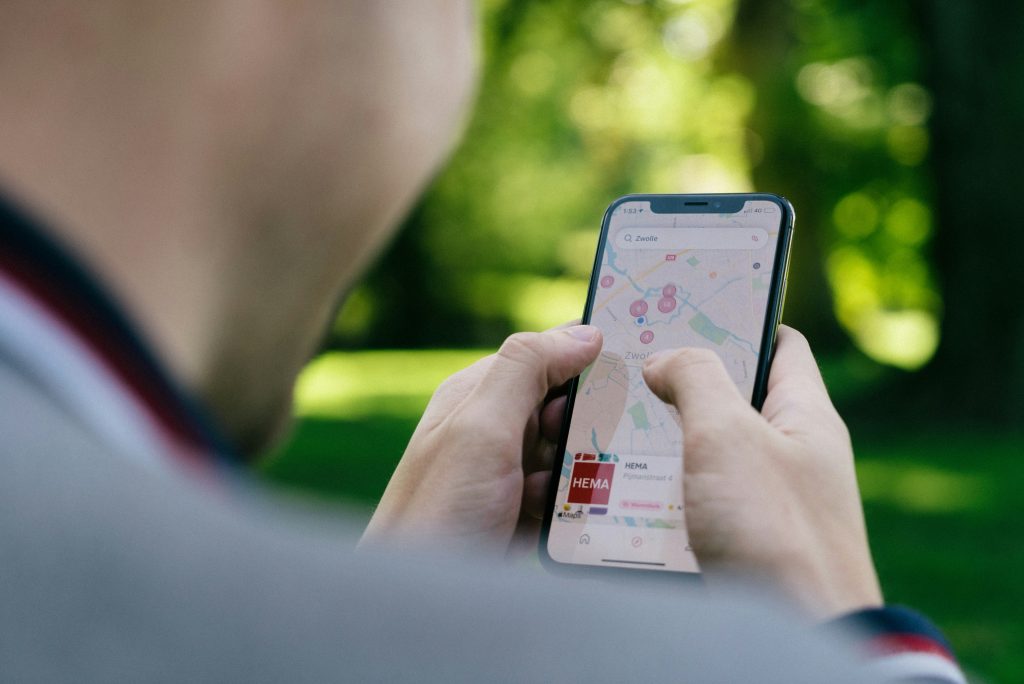
If your business isn’t appearing on Google Maps, taking a systematic approach can help identify the underlying issue more efficiently. Instead of making random changes, review each component of your online presence to determine where improvements are needed.
Start by confirming that your Google Business Profile has been fully verified and that all business information is accurate. Next, review your primary and secondary business categories to ensure they accurately represent your services. Search Google Maps for duplicate listings and resolve any that could be dividing your ranking signals.
After reviewing your profile, evaluate your website. Make sure your contact information matches your Google Business Profile exactly and that your website provides clear, useful information about your services and service areas. Finally, assess your online reputation by encouraging satisfied customers to leave honest reviews and responding thoughtfully to the feedback you receive.
Approaching the problem step by step makes it easier to identify the specific factors limiting your visibility and develop an effective improvement strategy.
Common Mistakes That Hurt Google Maps Rankings
Many businesses unintentionally make changes that reduce their visibility instead of improving it. While Google’s algorithm is sophisticated, it consistently rewards businesses that prioritize accuracy, transparency, and a positive customer experience.
Some of the most common mistakes include frequently changing business information, selecting inaccurate categories, neglecting customer reviews, allowing outdated contact information to remain online, or ignoring profile updates for extended periods. Other businesses attempt to manipulate rankings by adding excessive keywords to their business name or creating multiple listings for the same location, practices that often lead to penalties rather than better rankings.
Focusing on long-term optimization instead of quick fixes creates a more sustainable foundation for success in local search.
Why Professional Google Business Profile Optimization Can Make a Difference

While many Google Maps issues can be resolved independently, some ranking challenges are more complex. Businesses dealing with suspended profiles, verification problems, duplicate listings, declining rankings, or highly competitive markets often benefit from professional assistance.
An experienced Google Business Profile optimization specialist can identify technical issues, improve profile completeness, strengthen local SEO signals, optimize business categories, develop review strategies, and ensure your online presence aligns with Google’s best practices.
Professional optimization also saves valuable time. Rather than spending hours troubleshooting issues through trial and error, business owners can focus on serving customers while experienced professionals work to improve their local visibility.
Advanced Strategies to Improve Your Google Maps Visibility
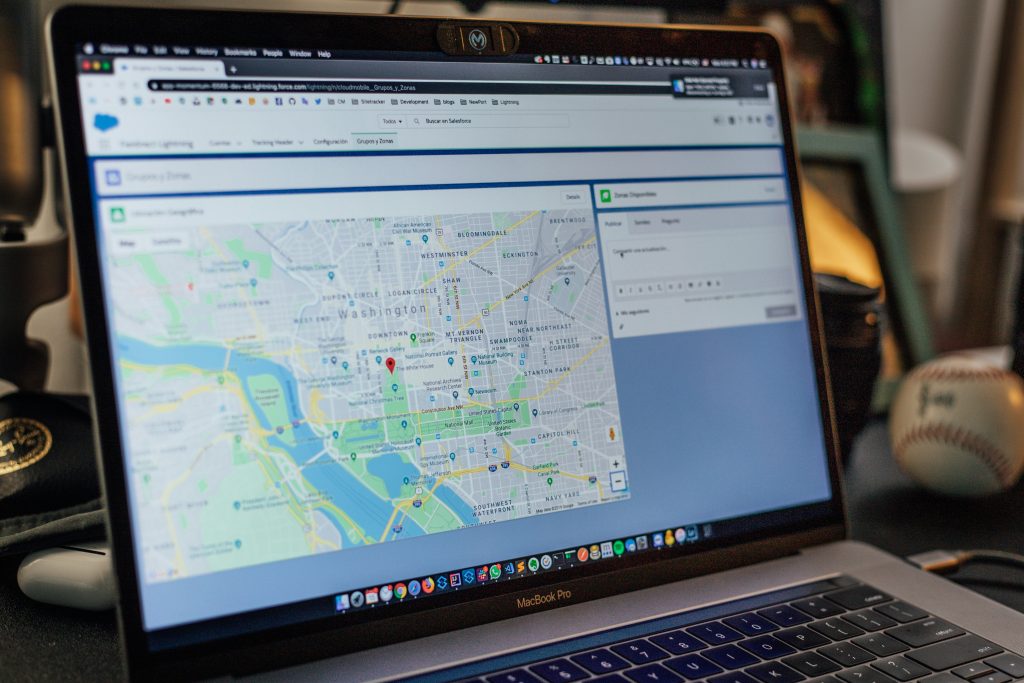
Once you’ve addressed the common issues that prevent your business from appearing on Google Maps, it’s time to focus on long-term optimization. Google rewards businesses that consistently provide accurate information, engage with customers, and demonstrate authority within their local market. Improving your visibility is an ongoing process rather than a one-time task.
One of the most effective strategies is to regularly update your Google Business Profile with fresh, relevant content. Posting company updates, highlighting promotions, announcing new services, or sharing community involvement signals that your business is active. While these updates alone won’t guarantee higher rankings, they contribute to a more complete profile and provide additional information for potential customers.
High-quality photos also make a difference. Businesses that regularly upload professional images of their storefront, office, team, products, or completed projects often receive more engagement than profiles with few or outdated photos. Visual content helps customers understand what to expect and can increase confidence before they contact your business.
Another important strategy is building location-specific content on your website. Instead of creating generic service pages, consider developing informative pages that explain how your services benefit customers in the communities you serve. This supports both your website’s local SEO and your Google Business Profile by reinforcing geographic relevance.
Finally, continue earning authentic customer reviews. Businesses that consistently receive positive feedback over time generally build stronger credibility with both customers and Google’s local ranking algorithm. Responding to reviews—whether positive or negative—demonstrates professionalism and shows that customer satisfaction is a priority.
Final Thoughts
If your business isn’t showing up on Google Maps, don’t assume the problem is permanent. In many cases, the issue can be traced to profile verification, incomplete business information, incorrect categories, duplicate listings, inconsistent local SEO signals, or a lack of ongoing optimization.
The most successful businesses view their Google Business Profile as an essential part of their digital marketing strategy rather than something they set up once and forget. Regular updates, accurate information, authentic customer reviews, and a strong website all work together to improve local visibility and help customers find your business when they need your products or services.
Google’s local search algorithm continues to evolve, but its primary goal remains the same: connecting users with trustworthy, relevant businesses. By following best practices and maintaining an accurate, well-optimized online presence, you can significantly improve your chances of appearing in Google Maps and attracting more qualified local customers.
Frequently Asked Questions
How long does it take for a business to appear on Google Maps?
The timeline varies depending on several factors, including whether your Google Business Profile has been verified and whether Google requires additional review. Many verified businesses appear within a few days, while others may take several weeks if further verification or quality checks are necessary.
Why does my business appear in Google Search but not on Google Maps?
This usually indicates that your Google Business Profile is experiencing a visibility issue. Common causes include incomplete verification, incorrect business categories, profile quality concerns, duplicate listings, or local ranking factors that prevent the business from appearing prominently in Maps results.
Can I improve my Google Maps ranking without getting more reviews?
Yes, although reviews remain an important ranking signal. Improving your website, completing your Google Business Profile, maintaining consistent business information across the web, selecting accurate business categories, and strengthening your local SEO can all contribute to better visibility.
Does changing my business information affect my rankings?
It can. Updating inaccurate information is beneficial, but making frequent or significant changes may temporarily affect your profile while Google reviews the updates. Whenever possible, ensure that all information is accurate before making changes and avoid unnecessary edits.
Why do my competitors rank higher even though they’re farther away?
Distance is only one component of Google’s local ranking algorithm. Businesses with stronger websites, more positive reviews, greater online authority, consistent citations, and well-optimized Google Business Profiles may outrank businesses located closer to the searcher.
Should I create multiple Google Business Profiles for different services?
Generally, no. Google only allows multiple profiles when they represent legitimately separate businesses or eligible locations. Creating duplicate listings for the same business can violate Google’s guidelines and may negatively impact your visibility.